
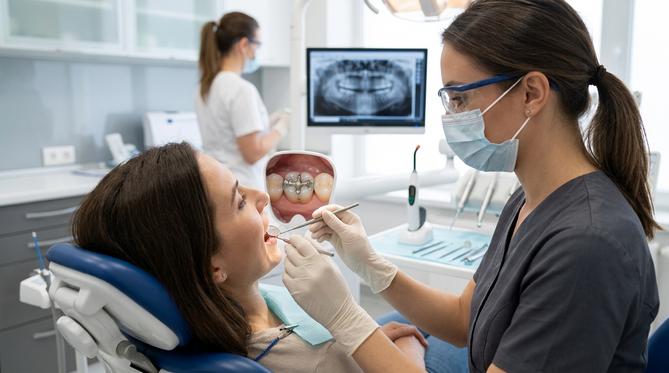
Dental fillings are one of the most common and effective ways to treat cavities and restore a tooth’s function and integrity. Modern fillings are designed to be incredibly durable, but it’s important to remember that they are not permanent. Over years of daily use, even the best-placed filling can wear down, chip, or develop issues. Knowing the signs that an older filling may need to be replaced can help you prevent further decay and avoid more complex dental problems down the road.
Many people have older silver (amalgam) fillings, while others have tooth-colored composite ones. Regardless of the material, all dental fillings are subject to the immense pressures of chewing and biting. At Your Dental Office, we often see patients who are unsure if their existing fillings are still doing their job effectively. This guide will help you understand when it might be time for an evaluation.
Why Fillings Wear Out Over Time
Your mouth is a dynamic environment. Every day, your fillings withstand significant force from chewing, grinding, and clenching. They are also exposed to temperature fluctuations from hot and cold foods and drinks. Over time, these factors can cause a filling to wear out. The seal between the filling material and your tooth enamel can weaken, creating tiny gaps where bacteria can enter and cause new decay underneath the filling. Sometimes, the filling material itself can crack or chip, compromising the structure of the restored tooth.
Telltale Signs Your Filling Needs a Check-Up
While a problem with a filling is often only detectable by a dentist during an exam, there are several signs you might notice at home. If you experience any of the following, it’s a good idea to schedule a dental visit:
- Increased Sensitivity: A new or worsening sensitivity to hot, cold, sugary, or acidic foods in a tooth that has a filling can be a red flag. This may indicate that the filling is no longer sealing the tooth properly.
- Visible Damage or Wear: Take a look at your fillings. Do you see any cracks, chips, or holes? Does the filling look worn down compared to how it used to? Any visible change warrants a professional look.
- Tooth Pain or Aching: A persistent, dull ache or a sharp pain when you bite down can signal that decay has developed under the filling or that the filling has been damaged.
- A Gap or Floss Catching: If your dental floss consistently shreds or catches around a specific filling, it could mean the edge has chipped or a gap has formed, creating a trap for food and plaque.
- Discoloration: While some discoloration can be normal, a dark line or shadow around the edge of a filling can be a sign of leakage, where bacteria and debris are seeping in.
It’s important to note that these symptoms don’t automatically mean you need a new filling, but they do mean a professional evaluation is necessary to determine the cause.
The Risks of an Old or Damaged Filling
Ignoring a failing filling can lead to more significant dental health issues. When the seal is broken, bacteria can cause recurrent decay, which can progress quickly since it’s hidden from your toothbrush. If left untreated, the decay can reach the tooth’s nerve, potentially requiring a root canal. Furthermore, a damaged filling no longer provides the necessary support for the tooth, increasing the risk of the tooth fracturing, which would then require a more extensive restoration like a dental crown.
What to Expect When Replacing Dental Fillings
The good news is that replacing dental fillings is a straightforward and common procedure. The team at Your Dental Office will ensure you are comfortable and relaxed. The process typically involves numbing the area, carefully removing the old filling material, and clearing out any underlying decay. The tooth is then cleaned and prepared for the new filling. A modern, tooth-colored composite material is bonded into place, shaped to match your natural tooth, and hardened, restoring the tooth’s strength and appearance.
Regular dental check-ups are the best way to monitor your fillings and catch any potential problems early. The Professional and highly skilled team from Your Dental Office is here to help with your dental needs. We can assess the condition of your existing restorations and recommend the best course of action to keep your smile healthy.
If you’re concerned about an old filling or haven’t had a dental exam in a while, don’t wait for a problem to arise. Contact Your Dental Office today to schedule an evaluation with our caring team.