Wisdom Teeth
Wisdom teeth are the third and final set of molars that erupt in the back corners of the upper and lower normal adult mouth. Unfortunately, most people experience problems from wisdom teeth; in most cases, this is because the teeth erupt too close to existing permanent teeth, causing crowding, improper bites, and other problems.
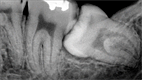
If wisdom teeth are causing a problem, this could mean that they are impacted. Impacted wisdom teeth can be extremely painful, as well as harmful to your oral health. Symptoms are easy to spot: severe discomfort, inflammation, and some kinds of infections.
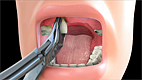
Many people need to have their wisdom teeth extracted to avoid future serious problems. In general, the lack of the four wisdom teeth does not hamper one’s ability to properly bite down, speak or eat.
If you experience any of the following symptoms, you may have an impacted wisdom tooth:
- Facial swelling
- Infection
- Pain
- Gum swelling
Many people need to have their wisdom teeth extracted to avoid future serious problems. In general, the lack of the four wisdom teeth does not hamper one’s ability to properly bite down, speak or eat.
Anesthesia
Dentistry has advanced to the point in which pain is almost a thing of the past.
Powerful pain-killing medications known as anesthetics not only help a patient avoid discomfort during a procedure, but post-operatively as well.
Some patients, especially children, may require higher doses of anesthetic than others.
Types of pain-killing medications include:
- Analgesics – These are also called pain relievers and include common non-narcotic medications such as ibuprofen and aspirin. Analgesics are usually used for mild cases of discomfort, and are typically prescribed following such procedures as a root canal or tooth extraction.
- Anesthetics – Anesthetics can either be topically applied, injected or swallowed. Dentists often apply topical anesthetics with a cotton swab to an area of the mouth where a procedure such as a restoration will be performed. This numbs the affected area. Topical anesthetics are used in many dental procedures such as tooth restoration. Topical anesthetics also are used to prepare an area for injection of an anesthetic. Novocaine and Lidocaine are the most common kind of injectable anesthetics. Such medications block the nerves from transmitting signals and are used for more major types of procedures, such as fillings and root canals.
- Sedatives – Sedatives are medications designed to help a patient relax. This can be a powerful tool in avoiding pain. Sedatives are sometimes used in combination with other types of pain relievers and pain-killers. Nitrous oxide, or laughing gas, is a form of sedative. Conscious sedation involves administering a sedative while the patient is alert and awake. Deep sedation or general anesthesia involves administering a medication that places a patient in a state of monitored and controlled unconsciousness.
Types of sedatives include:
- Intravenous (IV) sedation – Usually in the form of a tranquilizing agent; patients given IV sedation are often awake, but very relaxed.
- Inhalation sedation – a form of sedation in which nitrous oxide is administered through a special mask.

 Tooth Extraction
 Wisdom Teeth
 Post Surgery Instructions
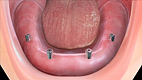 Implant for Denture
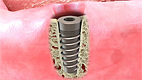 Implant for Crown & Bridge