
Do you ever notice a little pink in the sink after you brush your teeth? Many people dismiss this as normal, especially if it only happens occasionally. However, bleeding gums are often one of the first and most common signs of gum disease. Recognizing these early signals is crucial for seeking timely care and preventing more serious issues down the road. Understanding what to look for is the first step toward effective gum disease treatment and maintaining a healthy smile for life.
What Are the Subtle Signs of Gum Disease?
Gum disease, in its early stage known as gingivitis, is often painless, which is why its initial symptoms can be easy to overlook. Being aware of these subtle changes in your oral health can help you take action before the condition progresses. If you notice any of the following, it’s a good idea to pay closer attention to your gum health:
- Bleeding Gums: Healthy gums should not bleed from daily brushing or flossing. If you consistently see blood, it’s a sign of inflammation.
- Red or Swollen Gums: Gums should appear pink and firm. If they look puffy, dark red, or feel tender to the touch, this indicates irritation.
- Persistent Bad Breath: While bad breath can have many causes, a constant unpleasant taste or odor that doesn’t go away with brushing could be linked to bacteria below the gumline.
- Receding Gums: You might notice your teeth looking longer than they used to. This happens when gums pull away from the teeth, exposing more of the tooth surface.
It’s important to remember that these symptoms can have various causes, and a professional evaluation is the only way to get an accurate diagnosis.
Gingivitis vs. Periodontitis: Why Early Action Matters
Gum disease exists on a spectrum. The earliest stage, gingivitis, is caused by plaque buildup along the gumline. At this point, the infection is limited to the gum tissue and is completely reversible with professional cleaning and improved home care. However, if left untreated, gingivitis can advance to periodontitis. Periodontitis is a more severe form of gum disease where the infection spreads beneath the gumline, damaging the tissues and bone that support your teeth. This can lead to loose teeth and eventual tooth loss. This is why seeking early gum disease treatment is so vital—it can stop the progression and protect your smile from long-term damage.
The Role of Professional Gum Disease Treatment
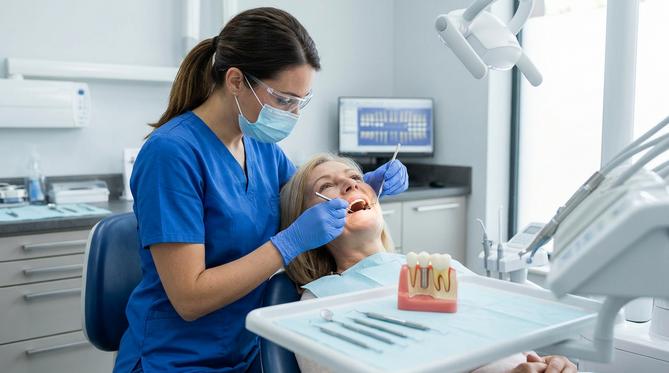
While excellent oral hygiene at home is your first line of defense, it cannot reverse gum disease on its own once it has started. At Your Dental Office, our approach to gum disease treatment begins with a thorough periodontal evaluation. We gently measure the spaces between your teeth and gums, check for inflammation, and assess your overall gum health. For early-stage gingivitis, a professional dental cleaning may be all that’s needed to remove the plaque and tartar causing the irritation. For more advanced concerns, a deeper cleaning procedure called scaling and root planing might be recommended. This treatment cleans below the gumline to remove hardened plaque and smooth the tooth roots, helping the gums reattach.
Protecting Your Gums for a Healthier Smile
Maintaining healthy gums is a lifelong commitment. The best strategy is prevention, which includes a combination of daily habits and professional support. Brushing twice a day with fluoride toothpaste, flossing daily, and eating a balanced diet all contribute to a healthy mouth. Equally important are regular dental exams and cleanings at Your Dental Office. These visits allow our team to remove stubborn tartar buildup and spot any potential signs of gum disease before they become serious problems. By working together, we can help you keep your gums healthy and your smile bright.
If you’ve noticed any signs of gum trouble, don’t wait for them to get worse. The Professional and highly skilled team from Your Dental Office is here to help with your dental needs. A simple evaluation can give you peace of mind and put you on the path to better oral health. Contact Your Dental Office today to schedule a consultation and discuss your gum health concerns with our dedicated team.