
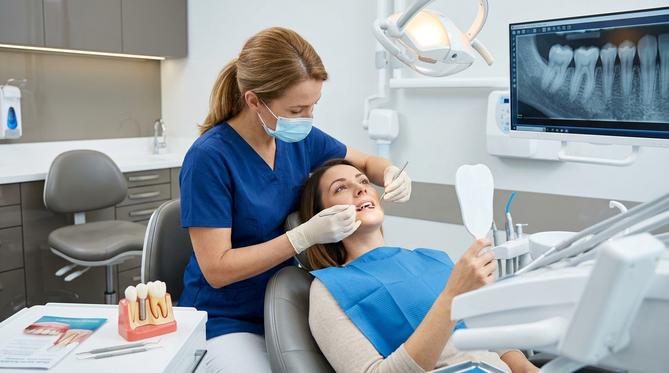
Have you ever noticed a little pink in the sink after brushing your teeth? While it might seem minor, bleeding gums are often the first signal of gum disease, a common but serious condition that can affect your overall oral health. Understanding its stages and the importance of timely intervention is crucial. The good news is that with professional care and a solid home routine, you can effectively manage your gum health. This guide explores the progression of gum disease and why seeking professional gum disease treatment is so important.
What is Gingivitis? The First Warning Sign
Gum disease begins with its earliest and most reversible stage: gingivitis. This condition is an inflammation of the gums caused by the buildup of plaque, a sticky film of bacteria that forms on teeth. If plaque isn’t removed daily through brushing and flossing, it can harden into tartar, which can only be removed by a dental professional. Symptoms of gingivitis are often mild and may include:
- Red, swollen, or tender gums
- Gums that bleed easily during brushing or flossing
- Persistent bad breath
At this stage, the bone and connective tissue holding your teeth in place have not yet been affected. Prompt action, including a professional cleaning and improved daily oral hygiene, can often reverse the condition completely and prevent it from advancing.
When Gingivitis Progresses to Periodontitis
If gingivitis is left untreated, it can advance to a more serious stage called periodontitis. At this point, the inflammation spreads below the gum line. The inner layer of the gum and bone pull away from the teeth, forming pockets. These small spaces collect debris and can become infected. As your body’s immune system fights the bacteria, the toxins produced by the plaque and your body’s enzymes involved in fighting infections start to break down the bone and connective tissue that hold teeth in place. If not treated, the pockets deepen, and more gum tissue and bone are destroyed. This can cause teeth to become loose and may eventually lead to tooth loss.
Professional Gum Disease Treatment Options
Once gum disease progresses to periodontitis, professional intervention is necessary to halt its progression. The type of gum disease treatment recommended will depend on the severity of your condition. A thorough periodontal evaluation at Your Dental Office will help determine the best course of action. A common non-surgical treatment for early-stage periodontitis is scaling and root planing.
This procedure is essentially a deep cleaning. Scaling involves removing tartar and bacteria from your tooth surfaces and beneath your gums. Root planing involves smoothing the root surfaces, which discourages further buildup of tartar and helps the gums reattach to the tooth. After this initial therapy, maintaining regular periodontal maintenance appointments is critical to keep the disease under control.
Maintaining Healthy Gums for Life
Preventing gum disease, or managing it after treatment, relies heavily on consistent oral hygiene. A strong daily routine is your best defense. This includes brushing your teeth twice a day with fluoride toothpaste, flossing daily to clean between teeth where a brush can’t reach, and attending regular dental checkups and cleanings. Your dentist can spot early signs of trouble and provide guidance tailored to your specific needs.
If you have any concerns about your gum health, from minor bleeding to more significant discomfort, it’s essential to seek professional advice. The Professional and highly skilled team from Your Dental Office is here to help with your dental needs. We can provide a comprehensive evaluation and create a personalized plan to restore and maintain your gum health.
Don’t ignore the warning signs. Healthy gums are the foundation of a healthy smile. Contact Your Dental Office today to schedule an appointment and learn more about your options for effective gum disease treatment.